
Basic Information
Working principle: By relying on the reciprocating motion of the plunger in the cylinder body, the volume of the sealed working chamber changes to achieve oil suction and pressure.
classification
According to the arrangement and direction of movement of the plunger, it can be divided into radial plunger pumps and axial plunger pumps. The reciprocating direction of the plunger in a radial piston pump is perpendicular to the drive shaft, while the reciprocating direction of the plunger in an axial piston pump is parallel to the central axis of the cylinder body.
According to the distribution method, it can be divided into inclined disc type (straight shaft type) and inclined shaft type.
feature
Advantages: High parameters, high rated pressure and speed, high driving power; High efficiency, with a volumetric efficiency of about 95% and a total efficiency of about 90%; Long lifespan; Variables are convenient and diverse in form; Light weight per unit power; The main components are subjected to compressive stress, and the material strength performance can be fully utilized.
Disadvantages: Complex structure and a large number of parts; Poor self-priming ability; High manufacturing process requirements and high costs; Sensitive to oil contamination, requiring high filtration accuracy, and high requirements for use and maintenance.
structural composition
Single plunger pump: mainly composed of eccentric wheel, plunger, spring, cylinder body, and two one-way valves.
Horizontal plunger pump: It is installed in parallel with several plungers, and the plungers are driven back and forth by the crankshaft, connecting rod slider, or eccentric shaft.
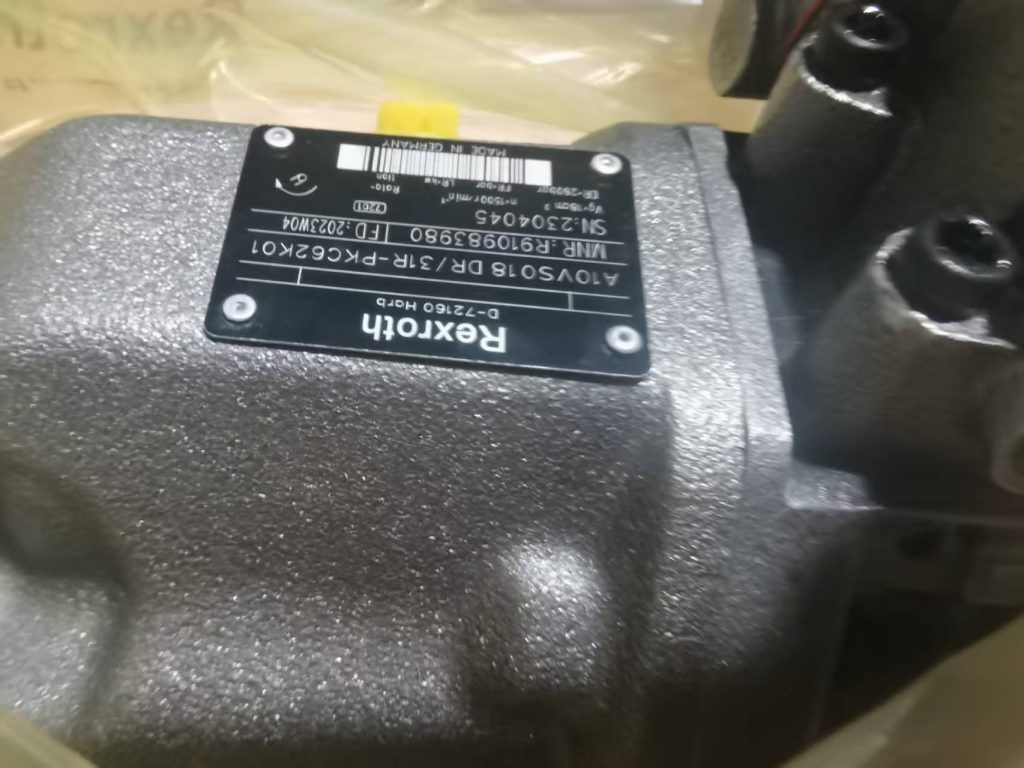
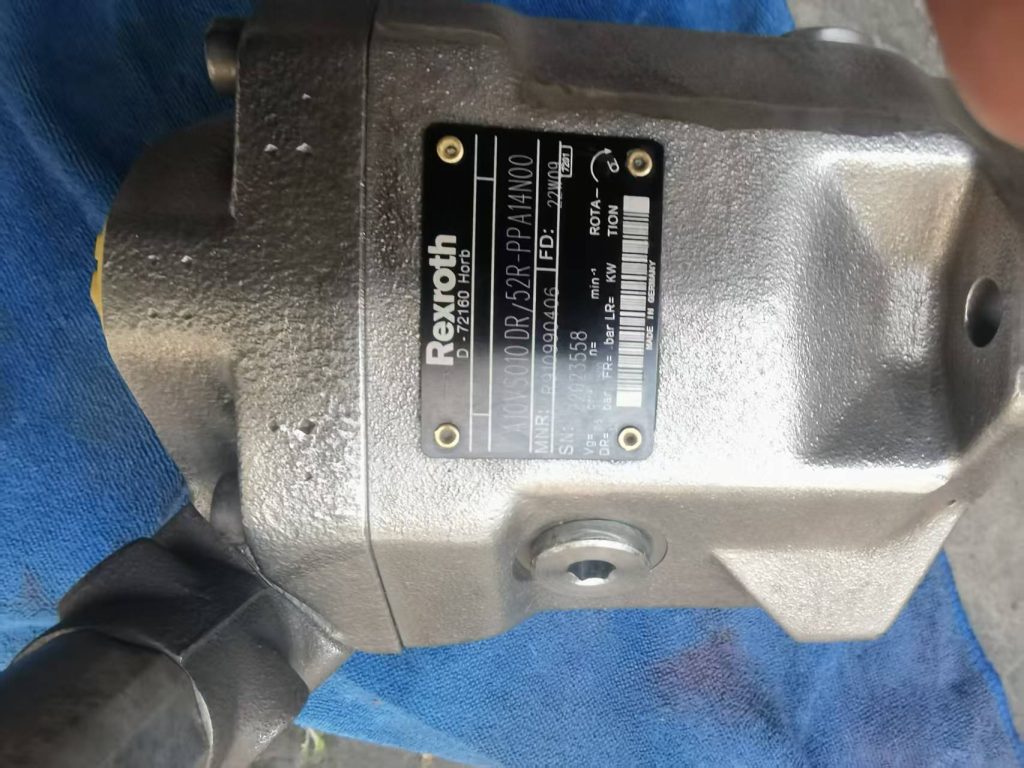
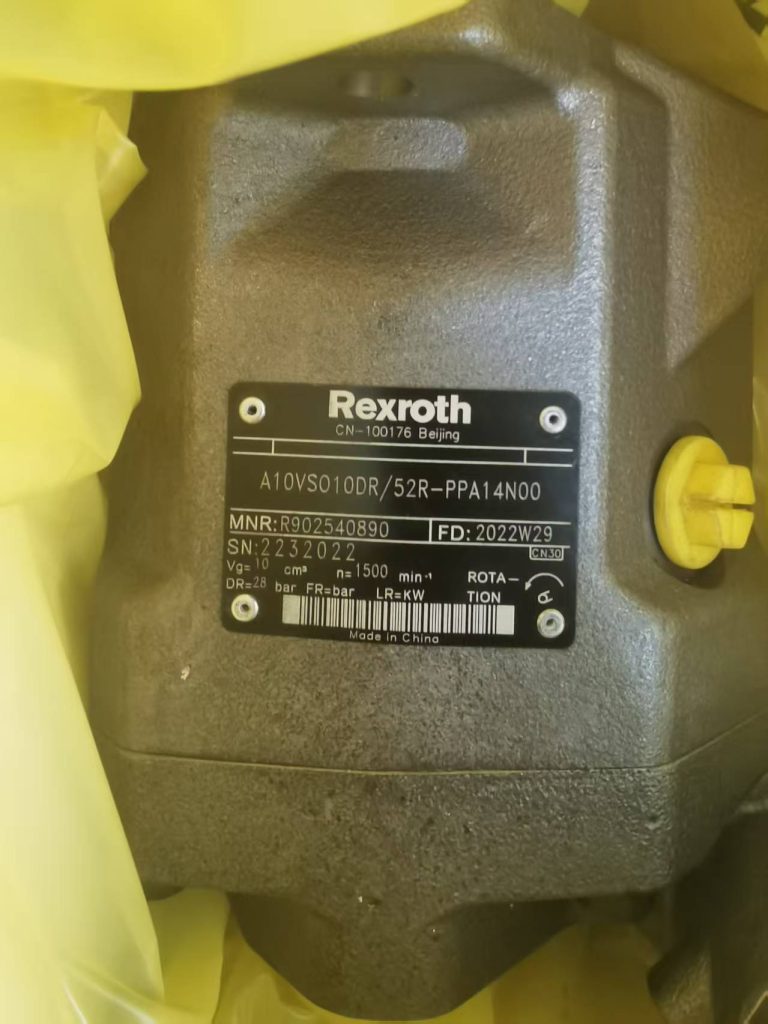
Axial piston pump: composed of main components such as cylinder body, plunger, inclined plate, oil distribution plate, and transmission shaft.
Radial piston pump: mainly composed of drive shaft, cross coupling, star shaped hydraulic cylinder rotor, stator, distribution shaft, plunger, sliding shoe, etc.
Application field.


0 Comments